A healthy pond depends on good oxygen levels, but not every pond owner wants, or can afford, to install a pump or powered aeration system. Whether you maintain a wildlife pond, a fish pond, or a decorative garden feature, there are several effective ways to oxygenate your pond naturally. In this guide, you’ll discover proven, low-cost methods to boost oxygen levels, improve water clarity, and create a thriving pond ecosystem without using a pump. We’ll also explain the situations in which installing a pump may become necessary.
Why Oxygen Is Important in a Pond
Oxygen is crucial in a pond to maintain healthy fish and support their respiration. It also enables beneficial bacteria to break down waste, and prevent toxic gas build-up. It prevents fish suffocation, reduces sludge build-up, and suppresses algae growth. Low oxygen levels can lead to fish stress, disease, or death, especially in warm, stagnant water. So for improved overall water quality, you need to add more oxygen to your water.
Signs Your Pond Needs More Oxygen
When a pond needs more oxygen, there are a few tell tale signs that are easy to pick up on. Your pond water might smell stagnant or just generally putrid and the water might look murky or cloudy.
If your pond has algae, whether on the surface or submerged, this is one of the most obvious signs that your water lacks oxygen. Algae, in order to bloom, requires UV and oxygen. It will take it's oxygen from the water, leaving less oxygen for everything else in your pond. You may notice it more in warmer months, as warmer water contains less oxygen and there's also more UV to feed the algae.
The more algae there is in your water, the less oxygen your water is going to contain as algae feeds off oxygen to grow, so whichever type of algae you have, try clearing it to improve oxygen levels.
If you're dealing with algae floating on the water’s surface, you’ll need Blanketweed Klear.
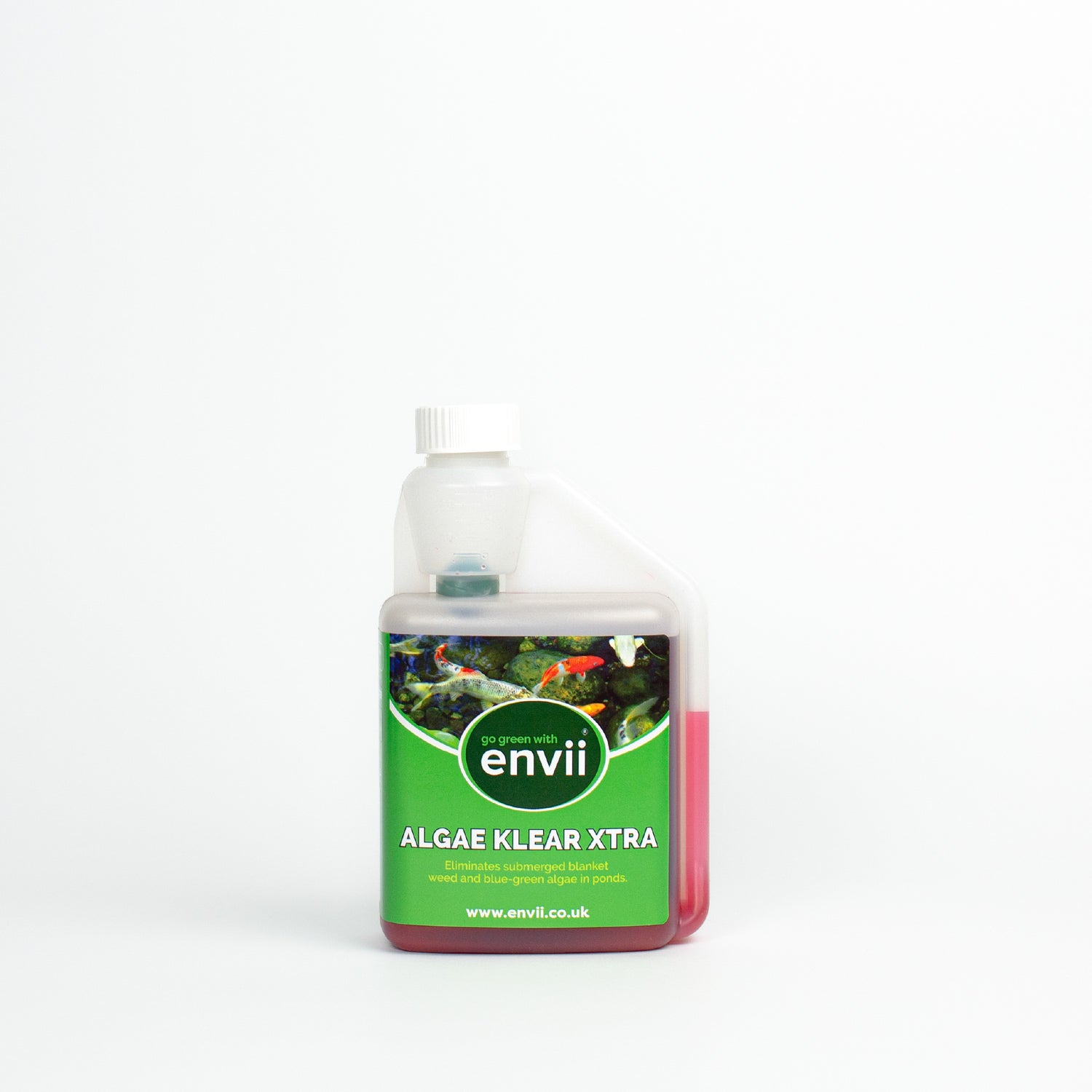
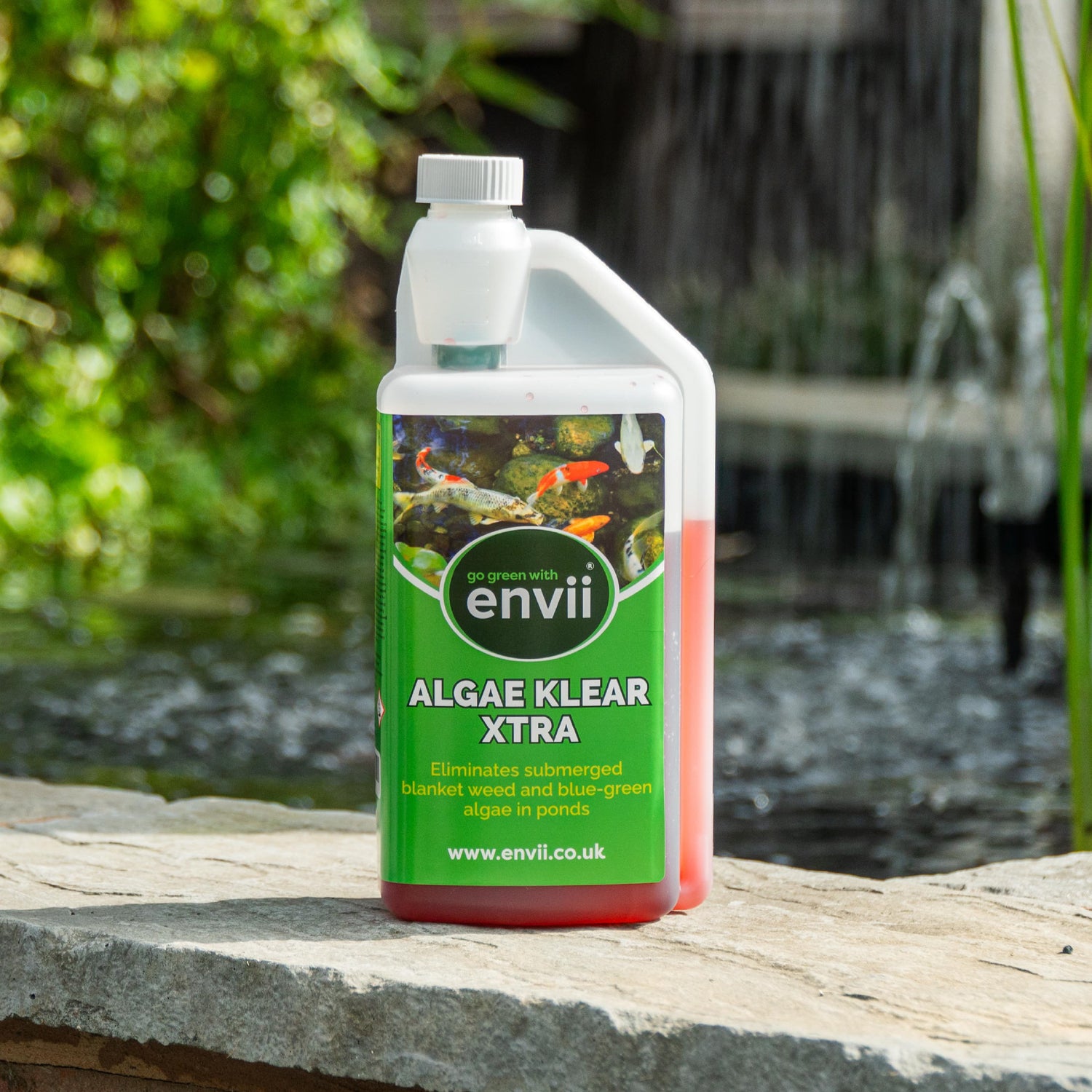
There might be excess algae submerged below the water's surface, typically on pond walls, and plants. For a fast and effective way to clear this algae, products like Algae Klear Xtra can help. Algae Klear Xtra also contains a UV light filter that reduces the strength of UV rays, helping to prevent new algae growth and keeping your pond clear and vibrant.
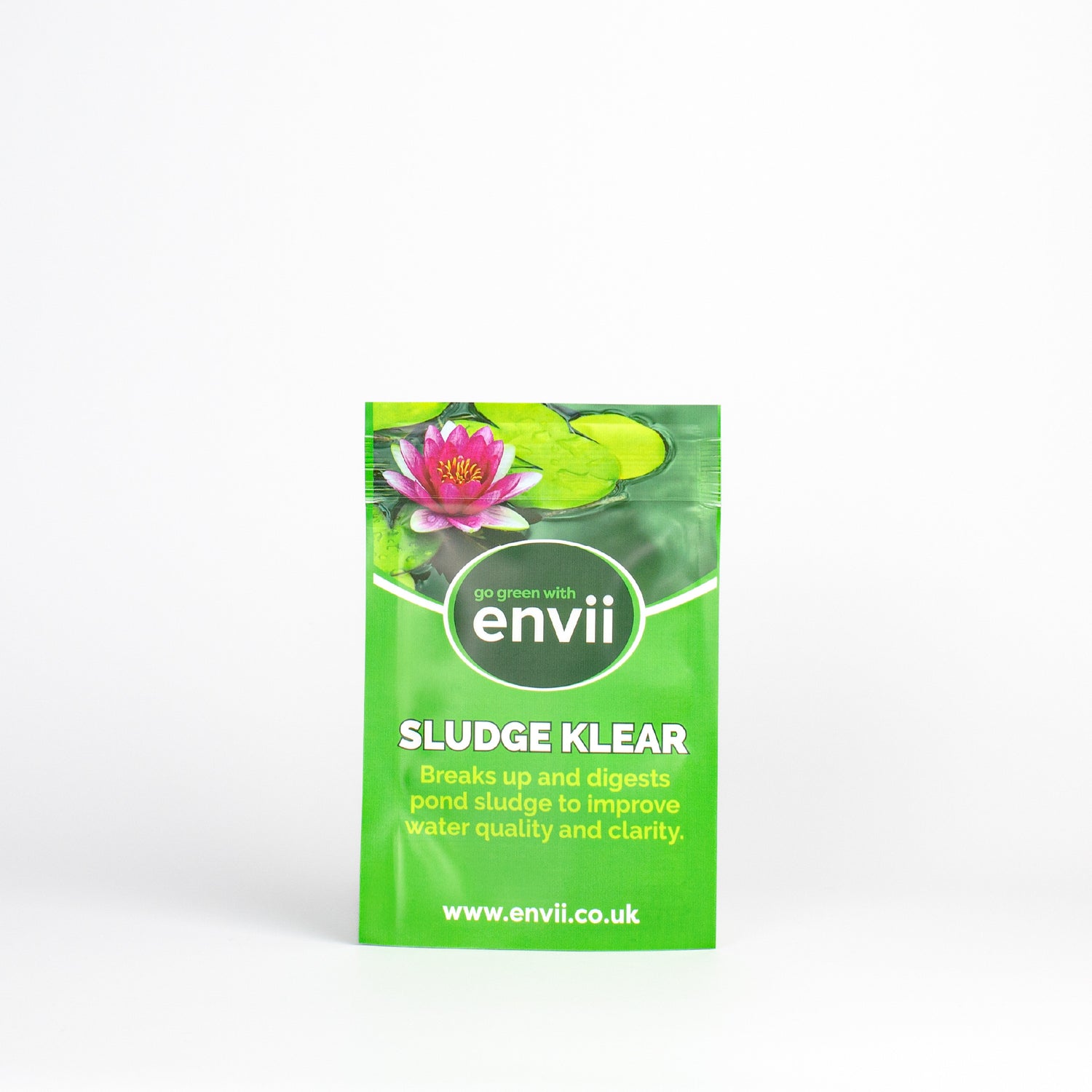
If you have sludge in your pond, this decomposing matter takes the oxygen from your water. You’ll need to break down the sludge in order to release the oxygen back into the water. Try using Sludge Klear, a natural pond sludge remover that uses millions of beneficial bacteria to break down and target pond sludge.
If you have fish in your pond, your fish might come to the surface more often and appear to be gasping for breath.
7 Ways to Oxygenate a Pond Without a Pump
1. Add Oxygenating Pond Plants
Oxygenating plants play a vital role in maintaining healthy pond water by producing oxygen during daylight hours through photosynthesis. This dissolved oxygen supports fish, beneficial bacteria, and other aquatic life, helping to prevent stagnation and poor water quality. In addition to oxygen production, these plants also act as a natural filtration system by absorbing excess nutrients such as nitrates and phosphates, which would otherwise encourage algae growth, and algae means less oxygen!
Best plants:
Hornwort
Waterweed (Elodea)
Vallisneria
Water crowfoot
Canadian pondweed
Tip: Aim for 50–60% plant coverage for best oxygen balance.
2. Use Floating Plants for Shade Control
Choosing plants that will float on your ponds surface will leave less water exposed to the sun and provide more shaded areas, so the water underneath isn't penetrated by as much UV and doesn't heat up as quickly in those warmer month. As we already know, once algae has begun to bloom, it will take the oxygen from the water. Algae needs the UV from the sun in order to grow; by protecting your pond from the sun, the UV cannot penetrate the water and encourage the algae to grow.
Good options:
Water lettuce
Frogbit
Duckweed (use sparingly)
3. Install a Small Waterfall or Fountain
Water movement increases oxygen absorption by constantly breaking the surface tension, allowing atmospheric oxygen to dissolve into the water. Even gentle circulation created by a gravity-fed waterfall, trickling stream, or small solar-powered fountain can dramatically raise oxygen levels. As water flows and splashes, it captures air and distributes oxygen more evenly throughout the pond. Solar fountains are particularly effective for wildlife ponds, as they require no electricity and automatically operate during daylight hours when oxygen demand is highest.
4. Encourage Natural Water Movement
If installing a small waterfall or fountain isn’t an option, try to encourage movement in the water naturally. Natural pond features such as shallow shelves, gently sloping edges, pebble beds, and strategically placed rocks encourage water movement and circulation. As water flows around these obstacles, turbulence is created, which helps oxygen spread evenly throughout the pond. Good circulation ensures that oxygen reaches deeper areas rather than remaining concentrated at the surface. This improves conditions for beneficial bacteria and prevents the formation of stagnant pockets. Proper pond design that promotes circulation can significantly improve long-term water health without the need for powered equipment.
5. Reduce Organic Waste Build-up
Dead leaves, fish waste, decomposed fish food and sludge consume oxygen as they break down.
Maintenance tips:
Skim debris regularly
Remove decaying plants
Vacuum sludge yearly
Avoid overfeeding fish
Try using Sludge Klear, a natural pond sludge remover that uses millions of beneficial bacteria to break down and target pond sludge.
6. Stock Fish Lightly
Fish consume oxygen continuously, and when stocking levels are too high, oxygen demand can quickly exceed supply, especially during warm weather when oxygen in water decreases. Overstocked ponds often experience stress, poor fish health, increased disease risk, and sudden fish losses due to oxygen crashes. Excess fish waste also increases organic matter, which further depletes oxygen as it breaks down. Maintaining a low stocking density ensures that oxygen levels remain stable, supports healthier fish growth, and reduces the burden on the pond’s natural filtration systems.
7. Partial Water Changes
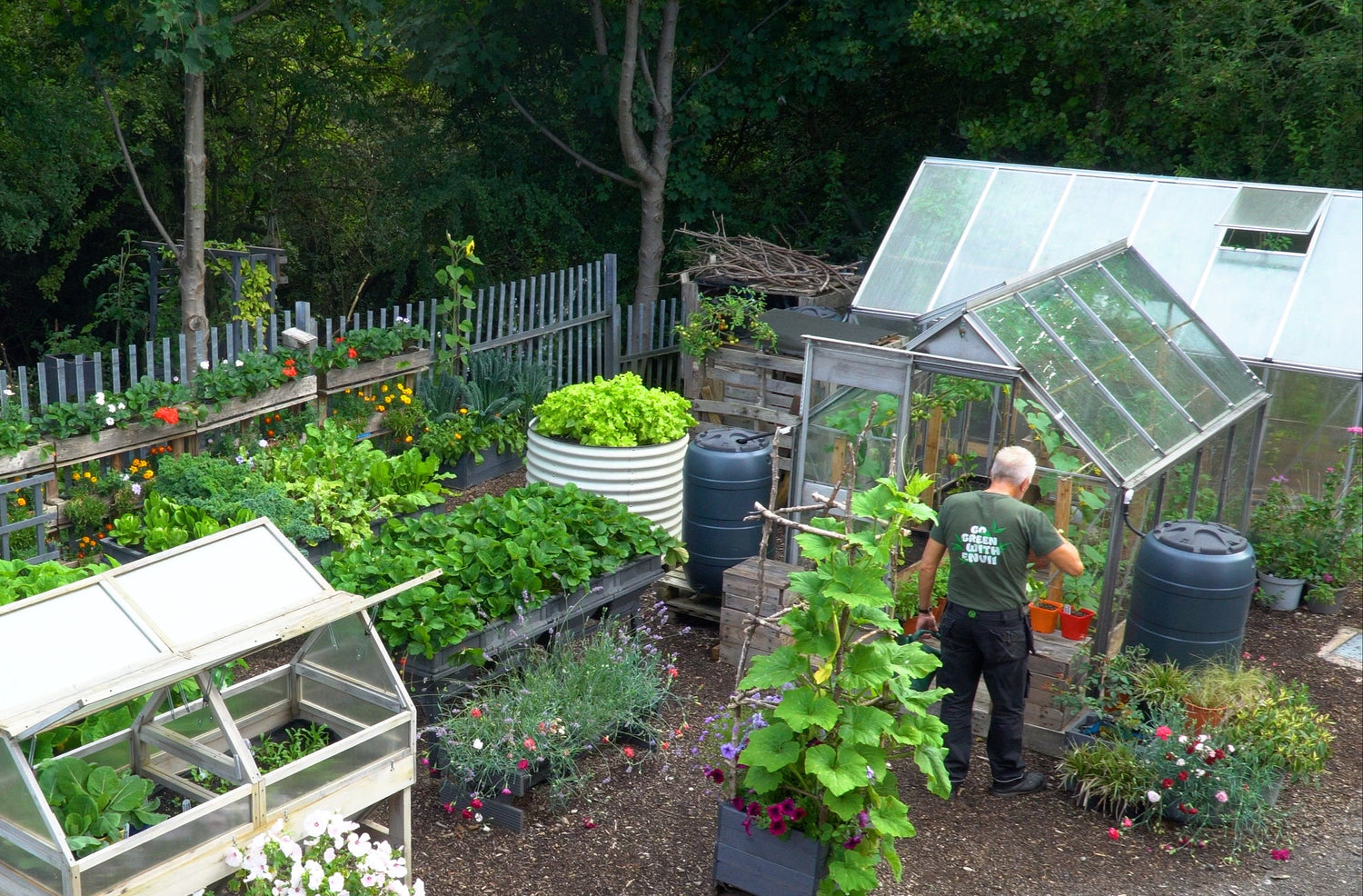
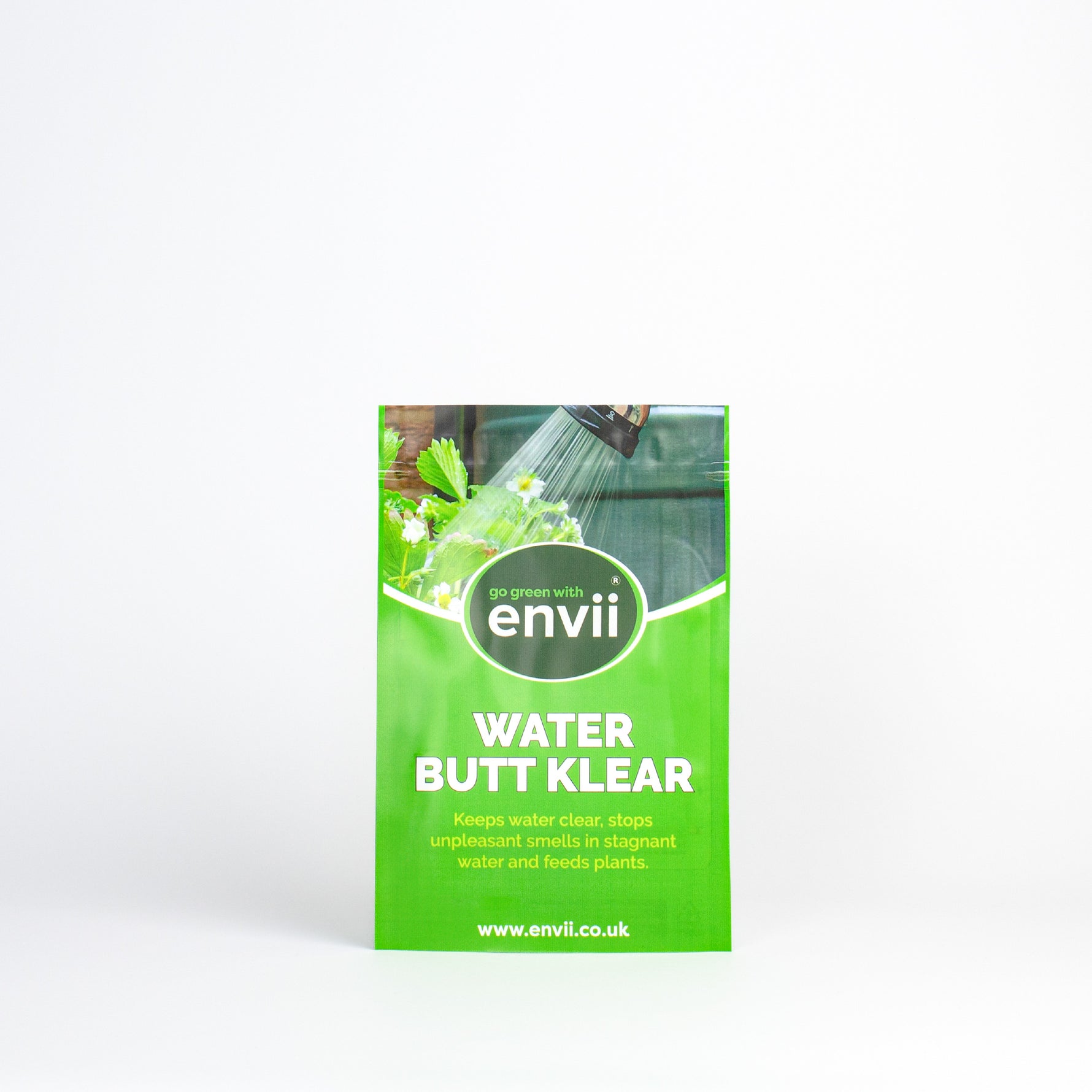
Fresh water naturally contains higher levels of dissolved oxygen than stagnant pond water, making regular top-ups an effective way to boost oxygen levels. During hot summer months, oxygen concentrations fall as water temperatures rise, placing additional strain on fish and beneficial bacteria. Adding fresh water helps cool the pond, dilute waste products, and reintroduce vital oxygen. Ideally, water should be added slowly to avoid temperature shock and disturbance to wildlife. Rainwater collection systems and water butts provide an environmentally friendly way to maintain pond levels while conserving valuable mains water. To learn more about the benefits of water butts, read our guide What Is a Water Butt? The Smart Way to Reuse Rainwater.
If you don’t have a rainwater collection system and have to top up your pond using tap water, use Chlorine Klear to remove all chlorine and chloramines from tap water before applying to your pond.
At What Point Will You Need To Install A Pump?
In many cases, a well-designed pond with the right balance of plants, fish, and natural circulation can thrive without a pump. However, there are situations where natural oxygenation methods simply aren’t enough, and mechanical aeration becomes necessary.
In essence, you may need to add a pump or powered aeration system if you’ve tried all of the above and one or more of the following conditions apply:
1. Persistent Low Oxygen Levels
If fish continue to gasp at the surface, particularly early in the morning, this is a strong sign that oxygen levels are consistently too low. If plant growth, debris reduction, shading, and water changes do not improve the situation, a pump becomes essential to prevent fish loss.
2. High Fish Stocking Levels
Ponds with a high number of fish, especially large species like koi or goldfish, have significantly higher oxygen demands. In these cases, natural methods alone often cannot supply enough dissolved oxygen, and mechanical aeration becomes necessary for long-term stability.
3. Small, Deep, or Steep-Sided Ponds
Ponds with limited surface area relative to depth struggle with natural gas exchange. Without enough surface movement, oxygen absorption is poor. Pumps improve circulation and ensure oxygen reaches deeper layers.
4. Warm Summer Temperatures
Warm water holds less oxygen. During heatwaves, oxygen levels can fall dangerously low, particularly overnight. If your pond regularly struggles during hot spells, a pump provides vital emergency aeration.
5. Frequent Algae Blooms or Poor Water Clarity
Recurring algae blooms and murky water often indicate oxygen imbalance and excess nutrients. A pump improves filtration and circulation, helping restore balance.
6. High Organic Waste Levels
If your pond regularly accumulates sludge despite regular maintenance, oxygen demand from decomposition may exceed natural supply. Pumps enhance biological filtration and oxygenation.
Oxygenating a pond without a pump is not only possible but it is often healthier, more cost-effective, and more environmentally friendly. By combining oxygenating plants, sensible stocking levels, regular maintenance, and thoughtful pond design, you can create a naturally balanced ecosystem that supports clear water and thriving aquatic life. While there are times when installing a pump becomes beneficial, particularly during hot weather or in heavily stocked ponds, many pond keepers find that natural methods provide everything their pond needs. By working with nature rather than against it, you can enjoy a healthier, more resilient pond all year round.